10 Wellbeing Tips to help you through Lockdown
10 Tips from Psychotherapist, Beth Anderson of Cheshire Wellbeing CBT to help you manage your emotional and physical Wellbeing during lockdown.

Beth is one of a team of four fantastic Psychotherapists who together are known as Cheshire Wellbeing CBT.
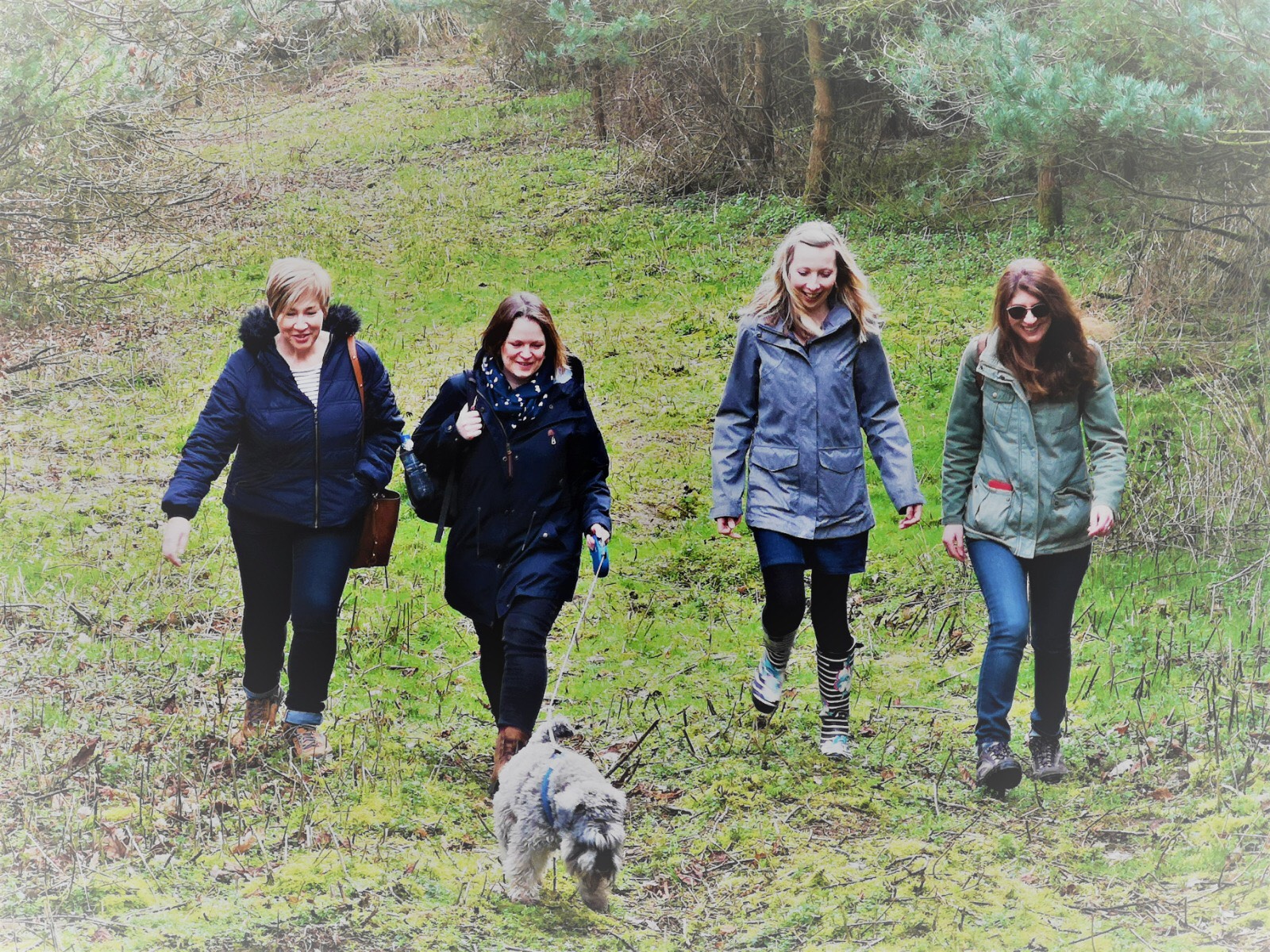
Last year I attended one of their Wellbeing Workshops which was life changing.
Whilst at the workshops I learnt how to process my thoughts in a positive and logical way and picked up some fantastic tips on helping improve my emotional and physical Wellbeing too.
As part of Mental Health Awareness Week, I asked Beth if she’d share Cheshire Wellbeing’s top 10 Wellbeing tips with everyone and here they are.
1. Structure and Routine
This is really important, and we thrive when our body and mind have some idea of what is happening on a day to day basis. Activities of daily living (sleep, eating, washing, dressing) are all key things to consider. Is there anything we can tweak here?

For example, can we address our sleep routine? Perhaps going to bed earlier or getting up earlier. Or do we need to address screen time or give ourselves a bedtime routine? Are there any other areas in our day to day routine we can tweak? Perhaps we can look at the amount of news or social media we are exposing ourselves to and re-evaluate the amount of time we spend on this; is this helpful? Do we need to be checking this so often?
2. Stay active
This doesn’t mean go and run a marathon, but we know we feel better when we get active once a day. This helps our body and mind keep moving.

Break this down and do something small but try and get out in the fresh air if you can once a day and make sure you work within your limitations.
3. Stay Connected
Keep in touch with family and friends. This will help to combat loneliness and feelings of being isolated and alone. We are lucky we have so much connectivity available to us so let’s use it to help ourselves. Use video chat rather than phone calls so you can see others faces.

Be kind to yourself when you’re doing this as it is more tiring than being face to face and don’t be afraid of ending calls when you want to, it can feel harder to leave as we don’t have much else planned but we can say goodbye when we need to.
4. Laugh
With friends, with yourself, watch a comedy but laugh, once a day, it really helps.

5. Manage Expectations
We are in a situation which we have never had to cope with before and we shouldn’t expect ourselves to perform to the same levels as prior to lockdown. Some people are working from home and trying to teach their children at the same time, others are being furloughed and having to adapt to being at home all the time, some are having to go to work – everyone is in a different situation and we should be managing expectations whatever situation we’re in. We don’t have to do anything remarkable in this lockdown; looking after our mental health needs to be a priority and is enough to have as a focus. We are going to be more tired at the moment due to having to constantly adapt to this ever-changing situation and that will take it out of us as well.
6. Practise Self Care and Compassion
Be kind to yourself and think about how that looks. It’s an easy thing to say but how do we put that into practise?

By altering our behaviour slightly, we can show ourselves we are worth looking after, and this will then alter how we talk to ourselves.
7. Appreciate
Take time to appreciate one thing each day. Perhaps something you hadn’t noticed before. This can help to challenge our perspective slightly and focus us in the moment.

8. Be Mindful
Mindfulness is simply the practise of paying fully focused attention in the moment without judgement. We can choose to notice how we feel and what we think and choose not to engage in those feelings. We often spend a lot of our time thinking about the past or the future, often not in a helpful way. By gently moving our mind back to the present this can help us to disengage from unhelpful thinking styles.
9. Reconnect with Values
The concept of values is an important one. Our values are the reasons behind what we do. This is so helpful to come back to and helps us when we feel lost. It can also help when the activities in line with our values have to change. For example, we might not be able to meet up with friends right now but we can arrange video chats and keep the contact going with messages and calls. This will help us realise what was important out of that activity, the contact, the connection, maintaining friendships and feeling that we are there for others.

10. Balance
The key to all of this is balance. We are all on a spectrum and we will rarely be in the middle, but we can certainly aim to be around the middle. It can be helpful to notice where we are in terms of our own set of scales.
Do things need rebalancing? How can we do that within our current personal circumstances? Take some time to reflect on this, once a day, what can we do to help ourselves? We are never aiming for unrealistic negative or positive, just balance, taking both into account, a realistic middle ground.
I hope you found those tips as useful as I did. Even just picking out one or two could really make a huge difference.
If you, a friend or family member are finding lockdown is affecting yours or their mental health, here are some websites that Cheshire Wellbeing CBT recommend you take a look at.
https://www.cci.health.wa.gov.au/resources/looking-after-yourself
https://web.ntw.nhs.uk/selfhelp/
http://www.freemindfulness.org/download
I’ve also written some other blogs on how I manage my anxiety that you or a friend or family member might find helpful.
Leave a Reply